In today’s fast-paced world, financial emergencies can strike at any moment. Whether it’s an unexpected medical bill, a car repair, or a sudden home improvement need, South Africans often find themselves in situations where they need access to funds quickly. This is where quick loans come into play, offering a lifeline to those in need of immediate financial assistance.
What Are Quick Loans?
Quick loans, also known as fast cash loans or instant loans, are short-term borrowing options designed to provide rapid access to funds. In South Africa, these loans have gained popularity due to their convenience and accessibility. Unlike traditional bank loans that may take weeks to process, quick loans often offer same-day approval and funding, making them an attractive option for those facing urgent financial needs.
Types of Quick Loans in South Africa
Payday Loans: These are short-term loans typically due on your next payday. They’re often for smaller amounts and come with higher interest rates.
- Personal Loans: These can be either secured or unsecured and often offer larger loan amounts with longer repayment periods.
- Online Loans: Many lenders now offer quick loans through online platforms, streamlining the application process.
- Instalment Loans: These allow borrowers to repay the loan amount over a set period in fixed monthly instalments.
- Cash Loans: Similar to payday loans, these provide immediate cash but may have stricter terms.
The Quick Loan Application Process
One of the main advantages of quick loans is the simplified application process. Here’s what you can typically expect:
- Online Application: Most lenders offer an online application form that can be completed in minutes.
- Document Submission: You’ll need to provide proof of income, bank statements, and identification.
- Quick Assessment: Lenders use advanced algorithms to assess applications rapidly.
- Approval and Funding: If approved, funds are often transferred to your account within hours or on the same business day.
Eligibility Criteria for Quick Loans in South Africa
While requirements may vary between lenders, common eligibility criteria include:
- Being a South African citizen or permanent resident
- Having a regular income
- Being at least 18 years old
- Having an active bank account
- Passing a credit check (though some lenders offer loans for people with bad credit)
The Pros and Cons of Quick Loans
Advantages:
- Fast access to funds
- Convenient online application process
- Minimal documentation required
- Options available for those with poor credit history
Disadvantages:
- Higher interest rates compared to traditional loans
- Short repayment periods
- Risk of debt cycle if not managed responsibly
- Potential impact on credit score if payments are missed
Responsible Borrowing: Making Informed Decisions
Before applying for a quick loan, consider the following:
- Assess Your Financial Situation: Determine if you really need the loan and if you can afford the repayments.
- Compare Lenders: Look at different loan options, interest rates, and repayment terms.
- Read the Fine Print: Understand all fees, charges, and the total cost of the loan.
- Consider Alternatives: Explore other options like borrowing from family or using savings if possible.
- Have a Repayment Plan: Ensure you can meet the repayment obligations without straining your finances.
The Role of Credit Scores in Quick Loans
Your credit score plays a significant role in loan approval and the terms offered. While some lenders specialise in loans for people with bad credit, a good credit score generally results in better interest rates and loan terms. It’s important to regularly check your credit file and work on improving your credit rating.
Quick Loans vs. Traditional Bank Loans
Quick loans differ from traditional bank loans in several ways:
- Application Process: Quick loans offer a faster, often fully online application process.
- Approval Time: Decisions are typically made within minutes or hours, not days or weeks.
- Loan Amounts: Quick loans usually offer smaller amounts compared to bank loans.
- Interest Rates: Quick loans often have higher interest rates due to their short-term nature and increased risk for lenders.
- Repayment Period: These loans typically have shorter repayment periods, often ranging from a few weeks to a few months.
The Future of Quick Loans in South Africa
The quick loan industry in South Africa is evolving rapidly, driven by technological advancements and changing consumer needs. Some trends to watch include:
- Increased Use of AI and Machine Learning: These technologies are making the loan assessment process even faster and more accurate.
- Greater Focus on Responsible Lending: Regulators are pushing for more transparent practices and better consumer protection.
- Integration with Mobile Banking: As more South Africans use mobile banking, quick loan services are becoming more integrated with these platforms.
- Alternative Credit Scoring Models: Lenders are exploring new ways to assess creditworthiness, potentially opening up opportunities for those with limited credit history.
Choosing the Right Quick Loan Provider
With numerous lenders offering quick loans in South Africa, it’s crucial to choose a reputable provider. Look for:
- Transparency in terms and conditions
- Clear information about interest rates and fees
- Positive customer reviews and ratings
- Proper licensing and regulation compliance
- Responsive customer service
Quick Loan Calculators: A Useful Tool
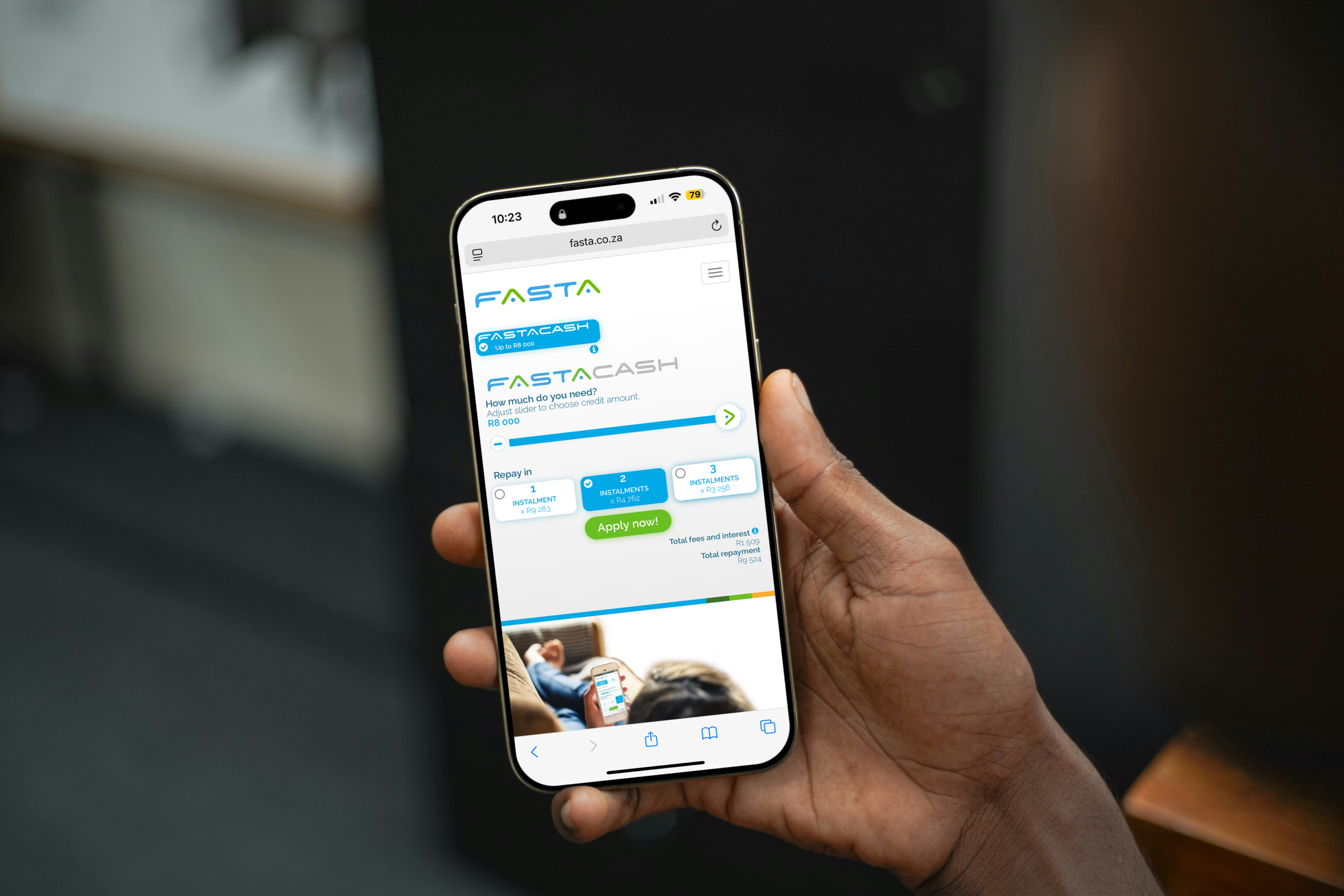
Many lenders offer online loan calculators to help borrowers understand potential repayments. These tools allow you to input the loan amount, term, and interest rate to see your estimated monthly payments. Using a loan calculator can help you make a more informed decision about whether a quick loan is right for your financial situation.
Navigating Financial Emergencies: When to Consider a Quick Loan
Quick loans can be particularly useful in certain situations:
- Medical Emergencies: When unexpected health issues arise and immediate payment is required.
- Car Repairs: To cover the cost of essential vehicle repairs to maintain transportation for work.
- Home Repairs: For urgent fixes that can’t wait for traditional financing.
- Bridging Cash Flow Gaps: To cover essential expenses between paychecks.
However, it’s important to remember that quick loans should not be used for non-essential purchases or as a long-term financial solution.
Legal and Regulatory Aspects of Quick Loans in South Africa
The quick loan industry in South Africa is regulated to protect consumers. Key aspects include:
- Interest rate caps set by the National Credit Regulator
- Requirements for lenders to conduct affordability assessments
- Prohibition of certain predatory lending practices
- Consumer rights to information and fair treatment
Understanding these regulations can help borrowers ensure they’re dealing with compliant lenders and receiving fair treatment.
Building Financial Resilience: Beyond Quick Loans
While quick loans can provide a valuable financial tool in emergencies, it’s important to work towards long-term financial stability. Consider:
- Building an Emergency Fund: Aim to save 3-6 months of expenses for unexpected costs.
- Improving Your Credit Score: This can lead to better loan terms in the future.
- Exploring Insurance Options: Adequate insurance can protect against some financial shocks.
- Financial Education: Continuously improve your financial literacy to make better decisions.
Conclusion: Navigating the World of Quick Loans in South Africa
Quick loans offer a valuable financial solution for many South Africans facing urgent cash needs. They provide fast access to funds with a streamlined application process, making them an attractive option in emergencies. However, it’s crucial to approach these loans with caution, understanding both their benefits and potential risks.
Before applying for a quick loan, take the time to assess your financial situation, compare different lenders, and fully understand the terms and conditions. Remember that responsible borrowing is key to maintaining financial health. Use quick loans as a tool to address genuine short-term needs, not as a long-term financial strategy.
By making informed decisions, understanding the loan agreement, and having a clear repayment plan, you can use quick loans effectively to navigate financial challenges while working towards greater financial stability. Whether you’re dealing with unexpected bills, temporary cash flow issues, or other financial emergencies, quick loans can provide the peace of mind and financial solution you need to move forward with confidence.
FAQ: Common Questions About Quick Loans and Personal Loans
- Will a lender conduct a credit check? Regulated lenders typically conduct credit checks as part of the application process.
- When will loan payout happen? Many lenders offer same-day or next business day payouts, but processing times may vary.
- Can I use a personal loan for any purpose? Most personal loans can be used for various purposes, but some lenders may have restrictions.
- What credit score do I need for a personal loan? Credit score requirements vary by lender, with some offering loans for borrowers with lower credit scores.
- Are personal loans secured or unsecured? Most personal loans are unsecured, meaning they don’t require collateral.
In conclusion, quick loans and personal loans remain viable and beneficial credit options in 2024, providing convenient access to funds for emergencies and various financial needs. By understanding the pros and cons, and carefully comparing lenders, you can choose the best loan for your situation. Remember to use a personal loan calculator to estimate your payments and total costs before applying.
[code_snippet id=7 format]